
Table of Contents
ToggleTransfer of Property Act in Bangladesh: Complete Guide to TPA 1882
Introduction to the Transfer of Property Act in Bangladesh
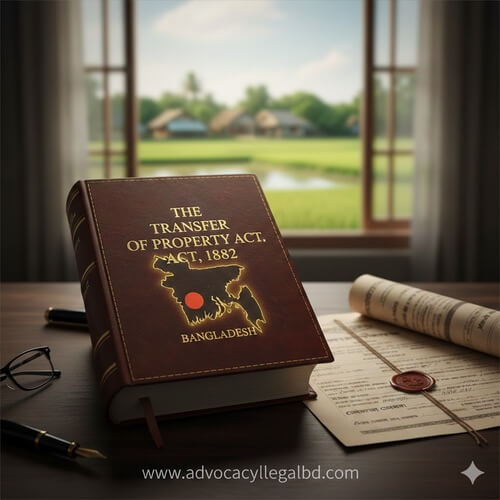
The Transfer of Property Act, 1882 is a foundational piece of legislation in Bangladesh that defines and amends the law relating to the transfer of property by act of parties. This comprehensive legal framework governs how both immovable and movable property can be transferred through various means including sale, mortgage, lease, gift, and exchange.
The Act came into force on the first day of July 1882 and continues to regulate property transactions in Bangladesh, having been adapted from the original Indian legislation during the British colonial period. Understanding this Act is crucial for anyone involved in property transactions, whether as buyers, sellers, landlords, tenants, or legal professionals.
What is Transfer of Property?
According to the Act, transfer of property means conveying ownership, interest, or rights from one person to another. The transferor (the person who transfers) conveys property to the transferee (the person who receives) through legally recognized methods that ensure clarity and security in property transactions.
Types of Property Covered
The Transfer of Property Act distinguishes between two main categories:
Immovable Property: Land, buildings, hereditary allowances, rights to ways, lights, ferries, and fisheries are classified as immovable property under the Act.
Movable Property: Everything else that is not immovable property, including goods, stocks, shares, and personal belongings.
Key Sections of the Transfer of Property Act Bangladesh
Section 5: Transfer of Property Defined
Section 5 provides the fundamental definition of property transfer, stating that a living person can transfer property to one or more living persons, or to himself and one or more other living persons. This section establishes the basic framework for all property transactions in Bangladesh.
Section 17: Sale of Immovable Property
A sale is a transfer of ownership in exchange for a price paid or promised. Section 17 specifies that a sale of immovable property must be made by a registered instrument, and the buyer must pay or promise to pay money as consideration.
Section 53A: Part Performance Doctrine
This crucial section protects buyers who have taken possession of property and made part payment, even when the sale deed is not yet registered. Section 53A prevents the transferor from acting inconsistently with the contract, providing significant protection to purchasers in good faith.
Section 54: Sale and Conveyance
Section 54 mandates that for immovable property valued at one hundred rupees or more, the sale must be effected through a registered instrument. For properties below this value, delivery of possession is sufficient.
Section 58: Mortgage Defined
The Act defines various types of mortgages including simple mortgage, mortgage by conditional sale, usufructuary mortgage, English mortgage, and mortgage by deposit of title deeds. Each type has distinct characteristics and legal implications.
Section 105-117: Lease of Immovable Property
These sections comprehensively cover lease agreements, defining the rights and obligations of lessors and lessees, rent payment terms, duration of leases, and conditions for termination.
Section 122-129: Gift of Immovable Property
Gift provisions require acceptance by the donee during the donor’s lifetime and must be effected by a registered instrument for immovable property. The Act specifies conditions under which gifts can be suspended or revoked.
Legal Requirements for Property Transfer in Bangladesh
Registration Requirements
Under the Transfer of Property Act and the Registration Act 1908, most transfers of immovable property must be registered with the Sub-Registry Office having jurisdiction over the property location. Registration provides legal validity and creates a public record of the transaction.
Essential Documents Required
- Original title deed or proof of ownership
- Updated mutation and khatian (land records)
- Non-encumbrance certificate
- Tax payment receipts
- Identity documents of both parties
- Power of attorney (if applicable)
Stamp Duty and Registration Fees
Property transfers in Bangladesh require payment of stamp duty as per the Stamp Act 1899. The stamp duty varies based on property value and location, typically ranging from 1.5% to 4% of the property value.
Common Types of Property Transfers in Bangladesh
1. Sale (Bainamah)
The most common form of property transfer where ownership is transferred for monetary consideration. A properly executed sale deed must be registered to be legally valid.
2. Gift (Hibanama)
Transfer of property without consideration, typically between family members. The donor must relinquish all rights and the donee must accept the gift during the donor’s lifetime.
3. Mortgage (Bondhoki)
Creating security interest in property to secure a loan or debt. The mortgagor retains ownership while the mortgagee gains rights to recover debt from the property.
4. Lease (Ijara)
Transfer of right to enjoy property for a specific period in exchange for rent. Lease agreements for periods exceeding one year must be registered.
5. Exchange (Badlananama)
Mutual transfer of property between parties where each party transfers property to the other. Both properties must be of comparable value.
Rights and Obligations Under the Act
Rights of the Transferee
- Right to receive clear and marketable title
- Right to possession after transfer completion
- Right to use and enjoy the property
- Right to transfer the property further
- Protection against third-party claims
Obligations of the Transferor
- Duty to disclose material defects
- Duty to deliver possession
- Duty to provide clear title
- Responsibility for pre-transfer liabilities
- Obligation to execute necessary documents
Protection for Buyers: Section 53A Doctrine
The part performance doctrine under Section 53A provides critical protection for property buyers in Bangladesh. When a buyer has:
- Taken possession of the property
- Made part or full payment
- Done so in good faith
- Performed their part of the contract
The seller cannot deny the transfer or act inconsistently with the contract, even if the formal sale deed is not yet registered. This provision has been instrumental in protecting buyers’ interests in numerous court cases.
Recent Amendments and Legal Developments
Bangladesh courts have consistently interpreted the Transfer of Property Act to balance the interests of transferors and transferees. Recent judicial decisions have clarified ambiguities regarding electronic signatures, joint family property transfers, and the applicability of the Act to government lands.
The Supreme Court of Bangladesh has issued several landmark judgments reinforcing the protective provisions of Section 53A and clarifying the requirements for valid property transfers.
Common Legal Issues in Property Transfers
1. Defective Titles
Many properties in Bangladesh suffer from title defects due to incomplete records, disputed inheritance, or fraudulent transfers. Conducting thorough title verification is essential before purchase.
2. Unauthorized Constructions
Buildings constructed without proper approvals from RAJUK or local authorities may face demolition risks and complicate property transfers.
3. Disputed Boundaries
Unclear property boundaries often lead to litigation. Proper survey and demarcation should precede any property transfer.
4. Fraudulent Transactions
Forged documents and impersonation remain significant risks. Verification of seller identity and document authenticity is crucial.
How to Ensure Safe Property Transfer in Bangladesh
Step 1: Title Verification
Engage a qualified lawyer to examine the property’s title documents, verify the chain of ownership, and confirm that the seller has clear title free from encumbrances.
Step 2: Physical Inspection
Personally inspect the property, verify physical boundaries match the documents, and check for any unauthorized occupants or constructions.
Step 3: Search Land Records
Search mutation records at the local land office and verify tax payment records to confirm ownership and ensure no outstanding government dues exist.
Step 4: Draft Proper Agreement
Execute a comprehensive sale agreement specifying all terms, conditions, payment schedules, and timelines. Include contingency clauses for title defects or other issues.
Step 5: Complete Registration
Register the transfer deed at the appropriate Sub-Registry Office after paying requisite stamp duty and registration fees. Collect certified copies for your records.
Step 6: Mutation and Record Updates
Apply for mutation of records in your name at the local land office and update utility connections and tax records.
Role of Legal Professionals in Property Transfers
Engaging experienced property lawyers is invaluable for navigating Bangladesh’s complex property transfer laws. Legal professionals can:
- Conduct comprehensive due diligence
- Draft and review transfer documents
- Ensure compliance with all legal requirements
- Represent clients in registration proceedings
- Resolve disputes and title defects
- Provide expert advice on tax implications
For expert legal assistance with property transfers in Bangladesh, contact our property law specialists at Advocacy Legal BD.
Tax Implications of Property Transfers
Property transfers in Bangladesh attract various taxes and fees:
Capital Gains Tax: Sellers may be liable for capital gains tax on profits from property sales, as per the Income Tax Ordinance 1984.
Stamp Duty: Payable by the buyer, calculated on property value or consideration amount, whichever is higher.
Registration Fees: Nominal fees charged by the Sub-Registry Office for registering transfer deeds.
Municipal Taxes: Property tax obligations transfer to the new owner and must be updated.
Frequently Asked Questions
Q: Is oral agreement valid for property transfer?
No, the Transfer of Property Act requires property transfers to be effected through written, registered instruments for immovable property valued above one hundred rupees.
Q: Can property be transferred to a minor?
Yes, property can be transferred to minors through their legal guardians. The guardian manages the property until the minor attains majority.
Q: What is the limitation period for property transfer disputes?
Under the Limitation Act 1908, most property-related suits must be filed within 12 years from the date when the right to sue accrues.
Q: Can agricultural land be freely transferred?
Agricultural land transfers are subject to additional restrictions under land reform laws. Certain categories of persons may be restricted from purchasing agricultural land.
Q: Is possession certificate sufficient proof of ownership?
No, possession alone does not establish ownership. Valid title documents and registered transfer deeds are required to prove ownership.
Conclusion
The Transfer of Property Act 1882 remains the cornerstone of property law in Bangladesh, providing a comprehensive framework for legitimate property transactions. Understanding the Act’s provisions, following proper procedures, and engaging qualified legal professionals are essential for safe and secure property transfers.
Whether you’re buying your first home, investing in commercial property, or dealing with inherited assets, compliance with the Transfer of Property Act ensures your rights are protected and your transaction is legally valid. Given the complexity of property laws and the significant financial stakes involved, professional legal guidance is not just advisable—it’s essential.
For comprehensive legal services related to property transfers, title verification, documentation, and dispute resolution in Bangladesh, visit Advocacy Legal BD or consult with our experienced property law team.